
Stacked Batteries: Scalable Energy Storage for Growing Residential and Commercial Markets
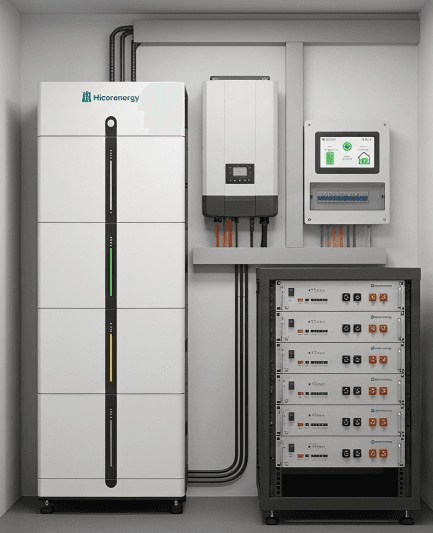
As energy storage needs grow, so does the demand for scalable, flexible solutions that can adapt to varying power requirements. Stacked battery systems—where multiple battery units are stacked together to achieve higher capacities—are becoming an increasingly popular choice for both residential and commercial projects.
For EPC contractors, installers, and OEM distributors, the ability to scale storage without replacing entire systems is a key advantage. Stacked systems offer modular flexibility that allows for future-proof solutions with minimal upfront costs.
How Stacked Battery Systems Work
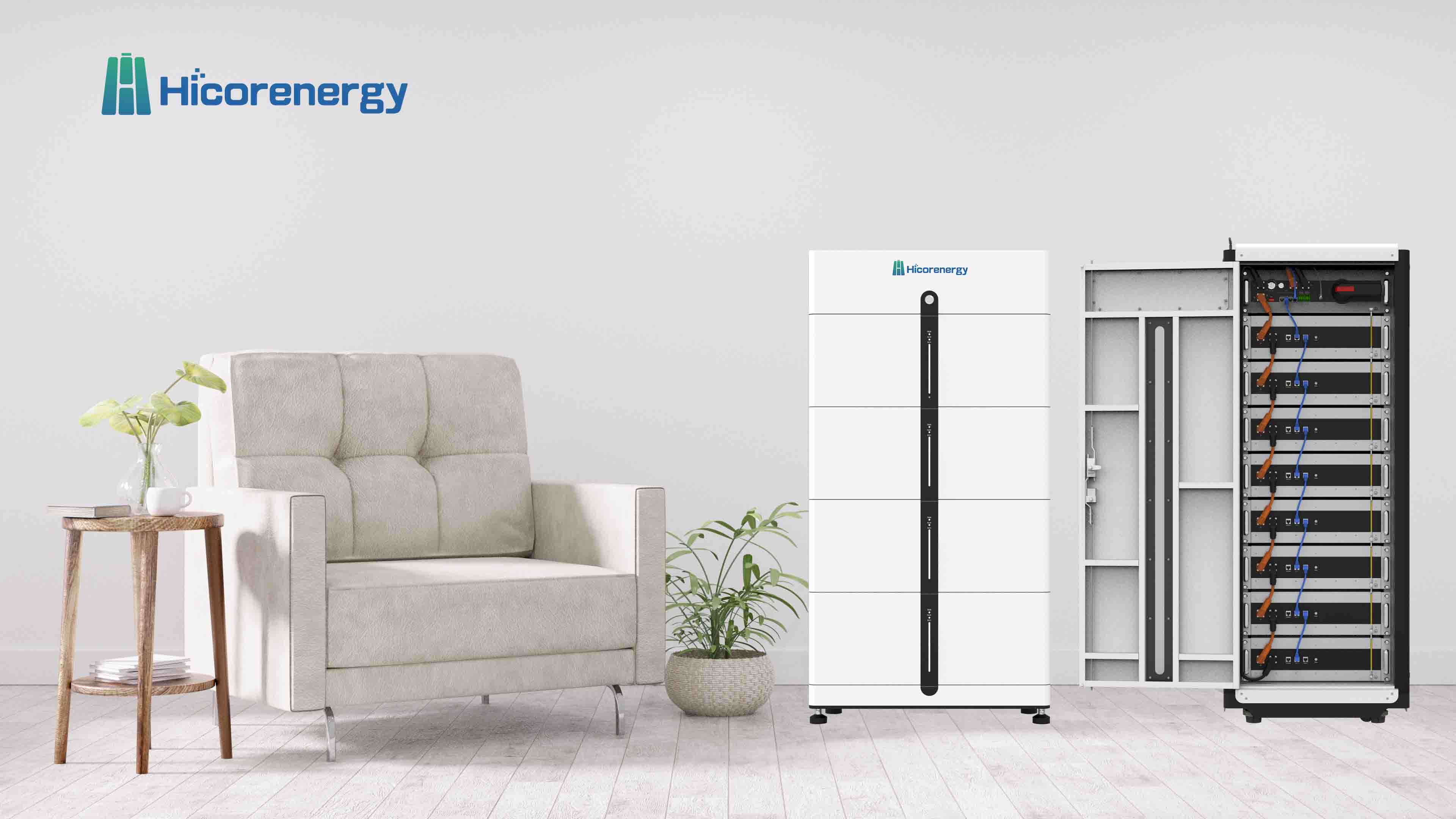
A stacked battery system refers to the ability to combine multiple battery modules into a single system that can easily scale in terms of capacity. These systems are designed to be:
-
Modular: Start with a lower capacity (e.g., 5kWh), and add modules to increase storage as demand grows.
-
Flexible: Suitable for a wide range of applications, from small residential homes to large commercial enterprises.
-
Efficient: Parallel battery connections optimize energy distribution and minimize losses.
Each module is typically a LiFePO4 battery, known for its safety, long life, and thermal stability, which makes them ideal for stacking in confined spaces or high-demand environments.
Why Stacked Batteries Are Ideal for Growing Markets
Scalability is one of the most significant advantages of stacked battery systems. Here’s how it benefits residential and commercial projects:
1. Start Small, Expand Later
For homeowners or businesses with modest energy needs today, a stacked system allows them to start with a 5kWh unit and expand later as energy demand increases, without the need to replace their existing storage setup. This flexibility is a key selling point for budget-conscious customers.
2. Energy Independence for Larger Homes and Off-grid Systems
Stacked systems are particularly suited for off-grid homes or larger residential properties that need more than 20kWh of energy storage. The modular setup ensures homeowners don’t need to overpay for a high-capacity battery upfront—they can expand over time based on their energy usage and budget.
3. Commercial Applications
For businesses, stacked batteries provide a cost-effective way to meet backup power requirements for data centers, retail chains, warehouses, or office buildings. Modular scalability allows businesses to meet their immediate storage needs and easily increase capacity as they grow, without needing a full system overhaul.
Key Benefits of Stacked Battery Systems
Scalable Energy Storage
Stacking batteries allows the flexible design of larger storage systems for residential and commercial projects. As power needs change, more modules can be added to scale storage capacity without replacing existing equipment.
Increased Efficiency & Performance
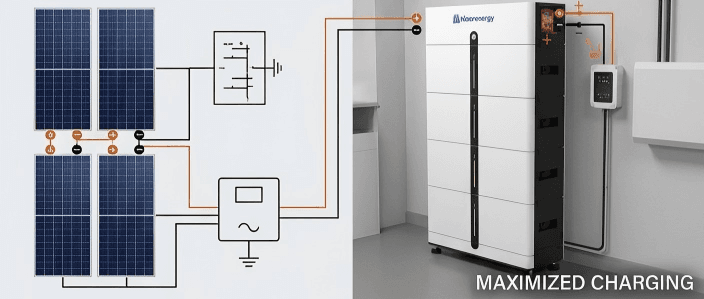
Stacked systems optimize energy distribution across multiple modules. By paralleling the battery units, they minimize power losses and maximize storage efficiency, which is particularly useful in areas with frequent power outages or where grid backup is critical.
Cost-Effective Solution
Starting small and expanding over time reduces upfront costs for homeowners and business owners. This flexibility makes stacked batteries an attractive option for those with limited budgets who want to avoid paying for excess capacity they don’t need immediately.
Future-Proofing Energy Solutions
With modular systems, end users can add more storage as their energy needs increase. Whether it’s adding more solar panels or scaling up backup power, stacked batteries allow businesses and homeowners to remain future-ready in a world of changing energy demands.
Choosing the Right Stacked Battery for Your Project
When selecting a stacked battery system, B2B clients should consider:
-
Capacity needs: How much energy does the site consume on average, and what is the desired backup time?
-
Expansion potential: Choose a system that offers easy scalability for future upgrades.
-
Inverter compatibility: Ensure that the battery system works with existing solar inverters or backup generators.
-
Safety features: Opt for systems that have built-in thermal protection and battery management systems (BMS) to prevent overheating and ensure long-term reliability.
For OEM distributors and installers, it’s essential to partner with a supplier that offers a consistent supply chain, high-quality modules, and comprehensive support.
Strategic View: Stacked Batteries as a Future-Proof Investment
As the energy storage market continues to grow, stacked battery systems will play a key role in both residential and commercial sectors. For EPC contractors, distributors, and OEM partners, the opportunity is clear: scalable systems that are easy to install, cost-effective, and adaptable will become the standard choice.
The demand for modular, scalable storage is expected to grow as solar adoption increases, along with the global push toward energy independence and cleaner power sources. Offering stacked battery systems will position your company as a forward-thinking solution provider that understands the evolving energy landscape.
Explore Hicorenergy’s stacked battery solutions or contact our team for more information on specifications, installation guidelines, and distribution opportunities.